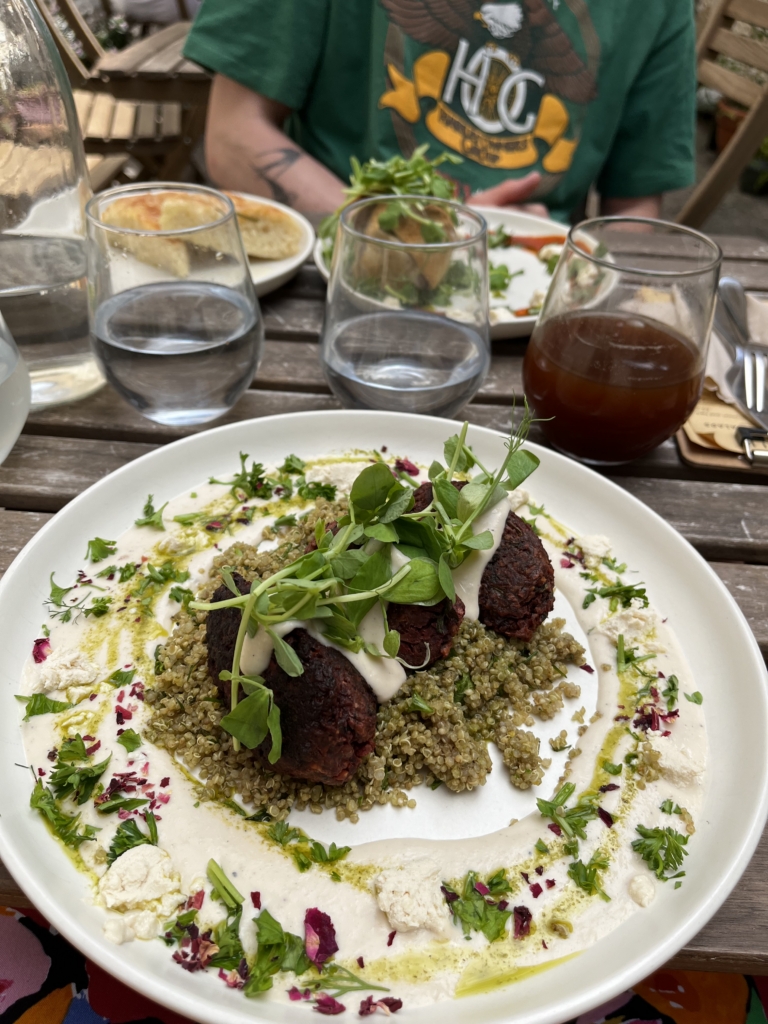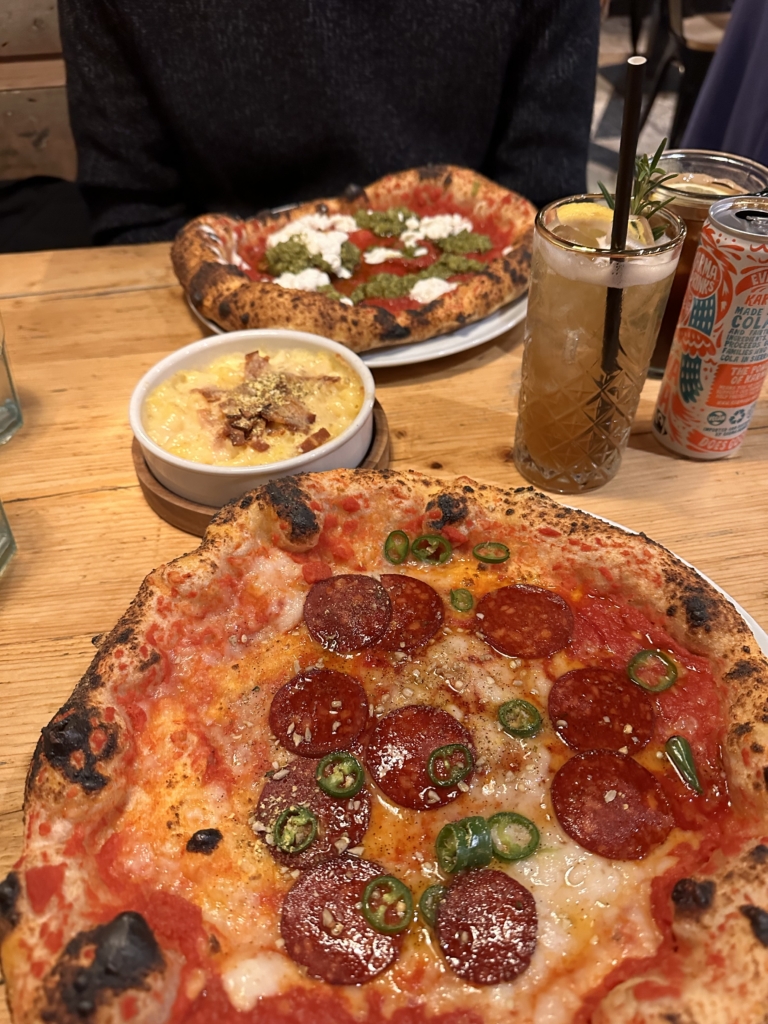
For me, January isn’t just the start of a new year, it’s also Veganuary, a movement that encourages people worldwide to try being vegan for the month and beyond. This year marks 11 years since I went vegan, and while my lifestyle has changed, the biggest lessons I’ve taken from this time aren’t about food at all.
They’re about change, how people learn, and how the way we communicate can either open doors or quietly close them.
Starting with certainty
I turned vegetarian at eight years old after learning where everyday foods on my plate came from. Once I had that information, I couldn’t unknow it, and it felt like a straightforward decision to me, even at such a young age.
Years later, while preparing for veterinary school interviews, I researched animal husbandry (raising and caring for livestock) practices in more depth. That learning prompted another shift, this time to embracing veganism. Because I was already vegetarian, the practical transition felt easy; however, my mindset at the time was uncompromising. It was defined by a rigid certainty that left little room for outside perspectives.
Like many people when they discover something that feels important and right, I jumped in with both feet. I cared deeply, had strong views, and wanted to share them.
But absolute certainty, especially when paired with passion, can unintentionally create distance. It can draw an invisible line between those who “get it” and those who don’t, shutting down conversations before they’ve even begun.
Softening without losing your values
Over time, my views softened. Not because I cared less, but because I learned more — about people, about change, and about myself. With age and experience came the realisation that progress doesn’t require perfection.
We know that people don’t respond well to being lectured, guilted, or rushed. It’s something I see time and again in communications work — the moment people feel pushed, they disengage.
Real behaviour change happens when people feel respected, informed, and free to explore at their own pace. The most effective communication doesn’t demand transformation. It creates space. It invites curiosity. It meets people where they are, rather than where we think they should be.
Permission without pressure
That’s why I think Veganuary works best when it’s framed as an invitation, not a challenge.
An opportunity to try something new,
to notice how it feels,
and to learn without committing to getting everything right.
Trying something imperfectly still matters. In fact, it often matters more. When lots of people make small, imperfect changes, the collective impact is far greater than a small number doing things flawlessly.
If there’s one thing (nearly) 11 years of veganism has taught me, it’s this: meaningful change happens when we meet people where they are.
Whether in food, values, or communications, progress comes not from pushing harder, but from making it easier and safer for people to step in, and the same lessons can guide how we communicate every day.
Principles to carry forward
The way we approach communications shapes the outcomes we get, so remember:
- Invite people into conversations rather than telling them what to think, because curiosity opens doors while certainty can close them too soon.
- Progress comes from small, imperfect steps, so give people room to experiment and learn rather than demanding immediate commitment.
- People disengage when they feel judged or rushed, so creating psychological safety often matters more than the message itself.
- Consistent behaviour over time builds more trust than bold statements, letting your values show without needing to preach.
- Real change happens when communications meet people where they are, acknowledging different starting points while keeping ideas accessible.