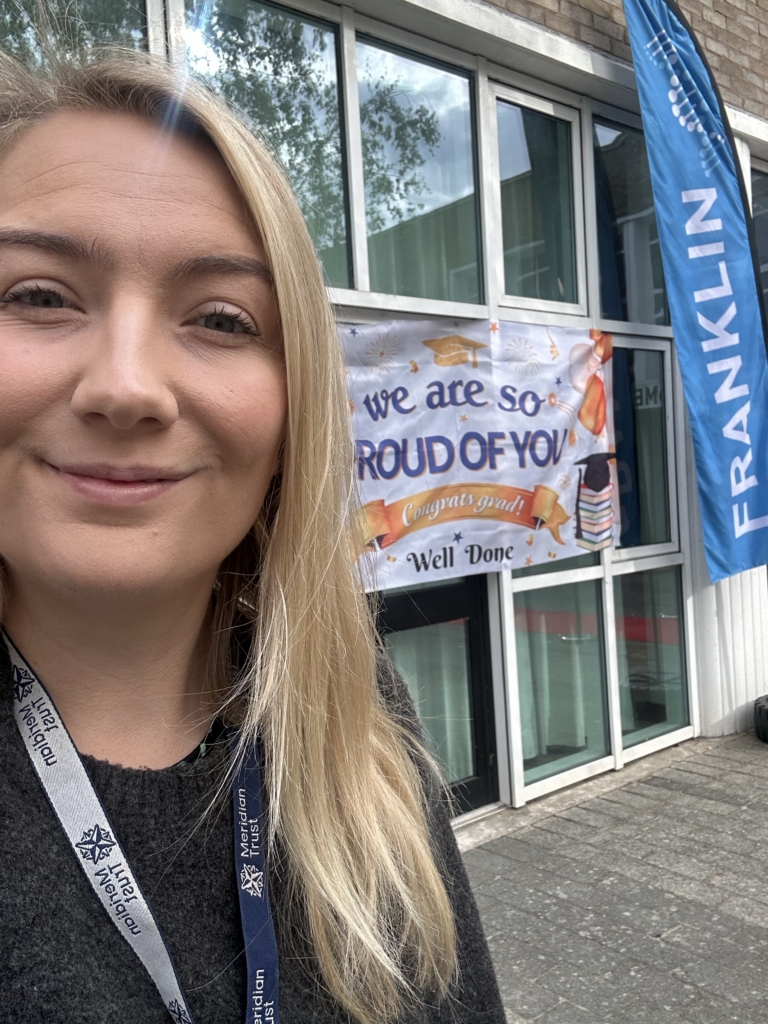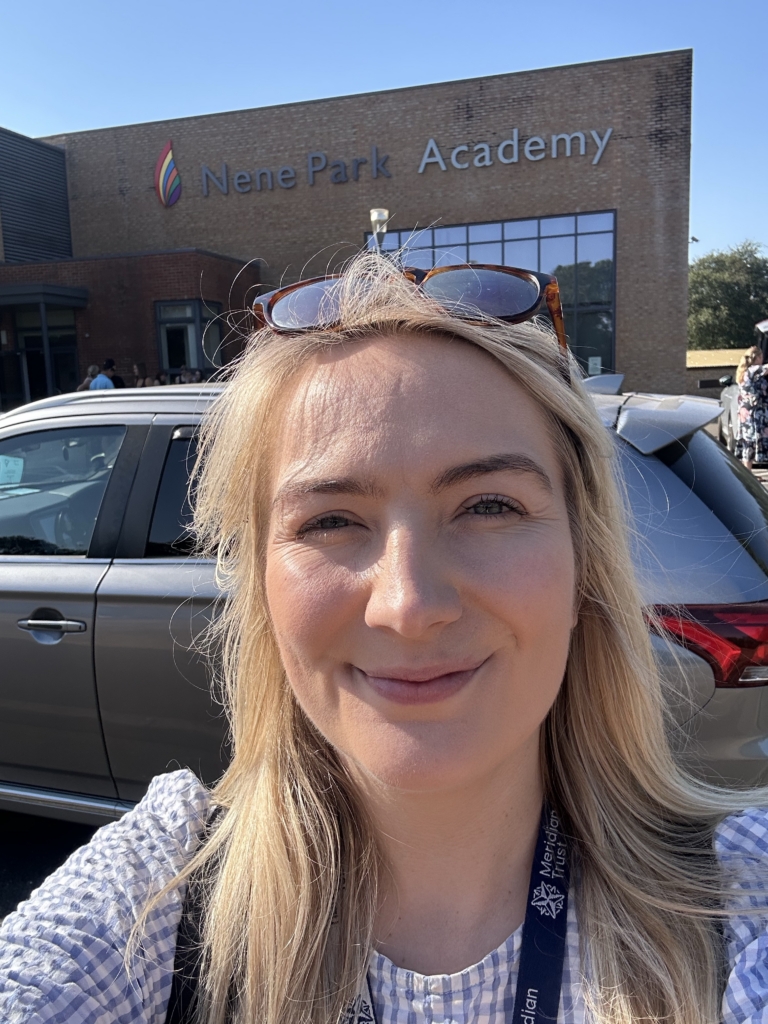
This summer marks my tenth results day supporting schools and trusts with their PR and marketing.
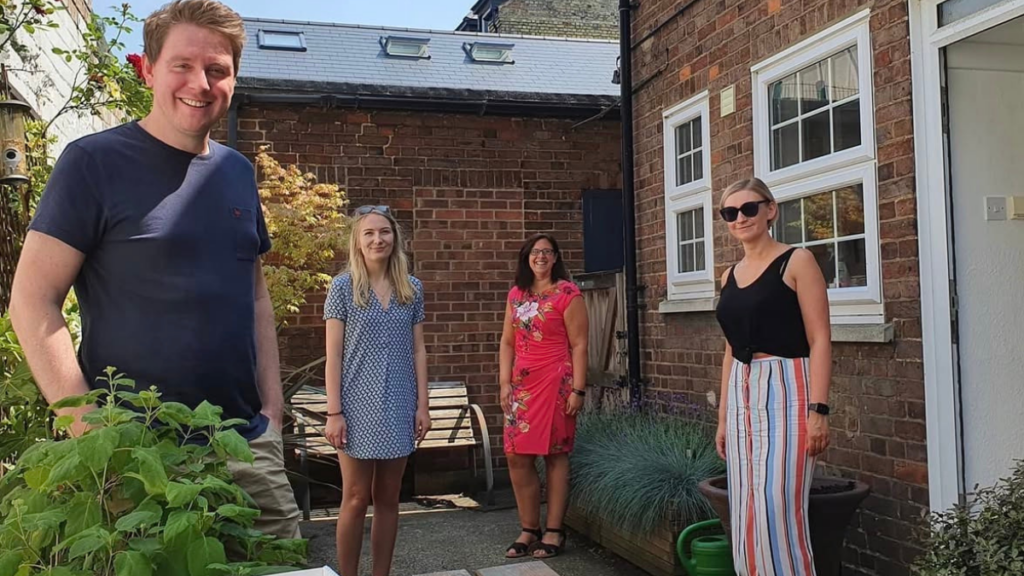
Ten years feels like a long time when you say it out loud. Long enough that I no longer get mistaken for a student collecting my own results – something that happened more than once when I first started.
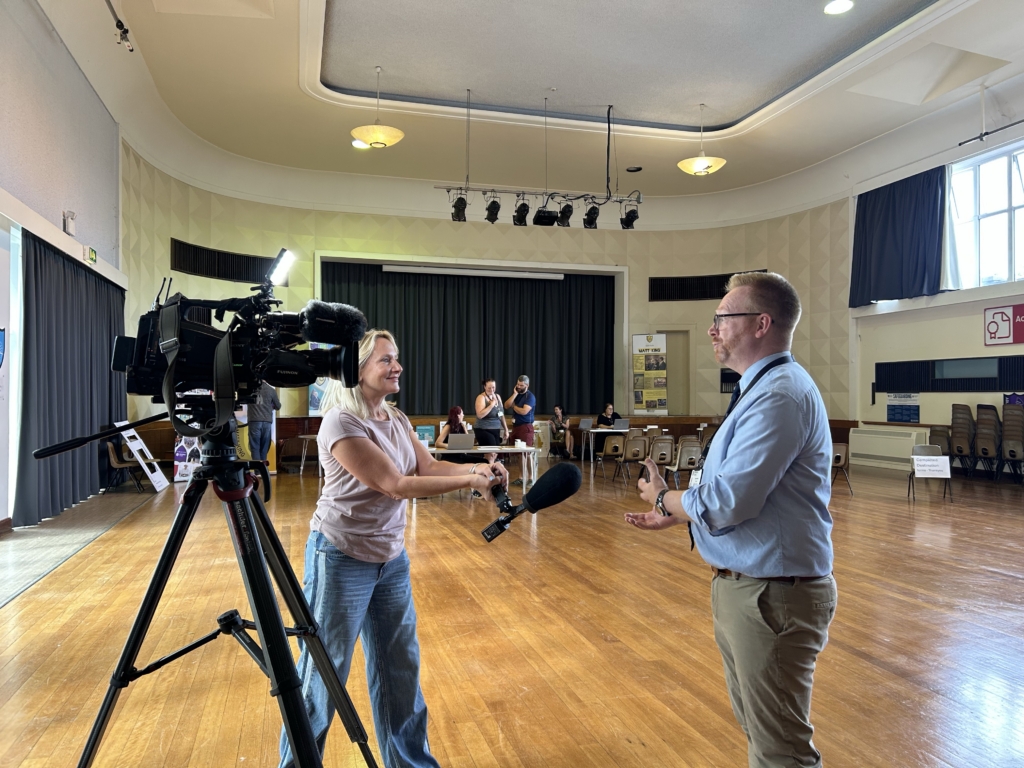
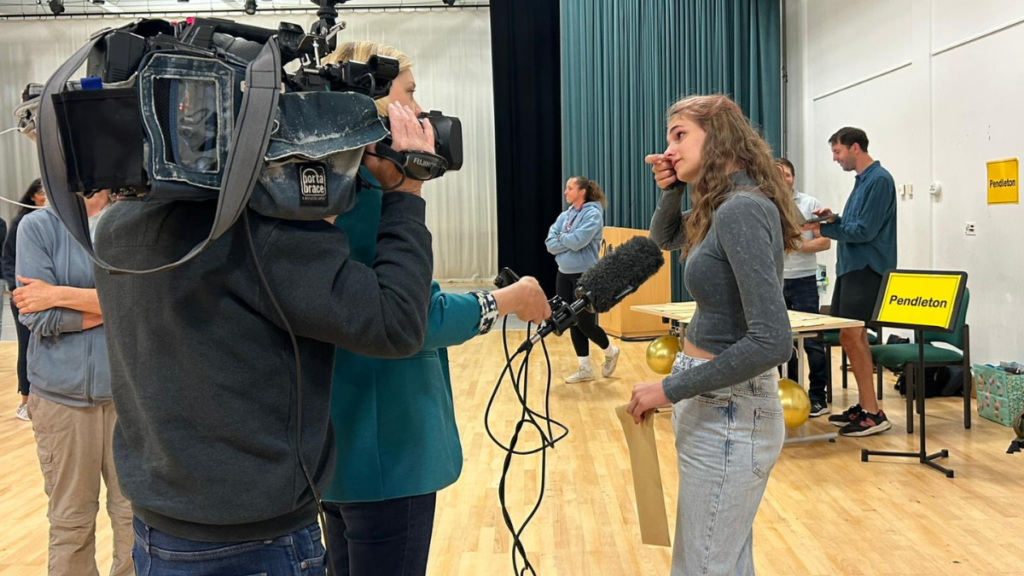
Over the last decade, I’ve spent many August mornings in school halls, helping staff and students celebrate success stories, coordinating media visits, gathering student interviews, and trying to capture the emotion of a day that means so much to so many people.
And while the purpose of results day hasn’t changed, the way we communicate it certainly has.
The years where everything changed
Of all the results days I’ve worked on, 2020 and 2021 stand out the most. In 2020, schools were navigating unprecedented uncertainty, rapidly changing guidance and, in many cases, students weren’t collecting their results in person at all. Then came 2021, when A Level and GCSE results days were condensed into a single week. What would normally be spread across two separate weeks suddenly happened in one, creating an intense period for schools, students, and communications teams alike.
For communications teams, both years meant finding new ways to tell stories. We relied on photos sent in by families, virtual interviews and creative alternatives when the traditional results day photo simply wasn’t possible.
It was a reminder that good communication isn’t really about having the perfect content. It’s about adapting when circumstances change and still finding ways to put people at the centre of the story.
Moving beyond the numbers
One of the biggest changes I’ve noticed over the years is the shift away from headline figures. I remember schools rushing to calculate percentages and pass rates, eager to get a press release out as quickly as possible. There was often an expectation that the story had to be about the numbers.
Today, the focus is much more likely to be on individual students, personal journeys and subject successes, and many trusts and schools have consciously decided to move away from the ‘league table’ culture that results days used to be built around. They are opting out of being compared unfairly against schools with different intakes or circumstances. In many ways, that feels like progress.
The data still matters, of course, but it has its place later in the year when it has been properly checked and verified. Results day itself feels more human than it used to, with more focus on the people behind the grades and the genuine experiences that shape a school community.
Students are telling us something
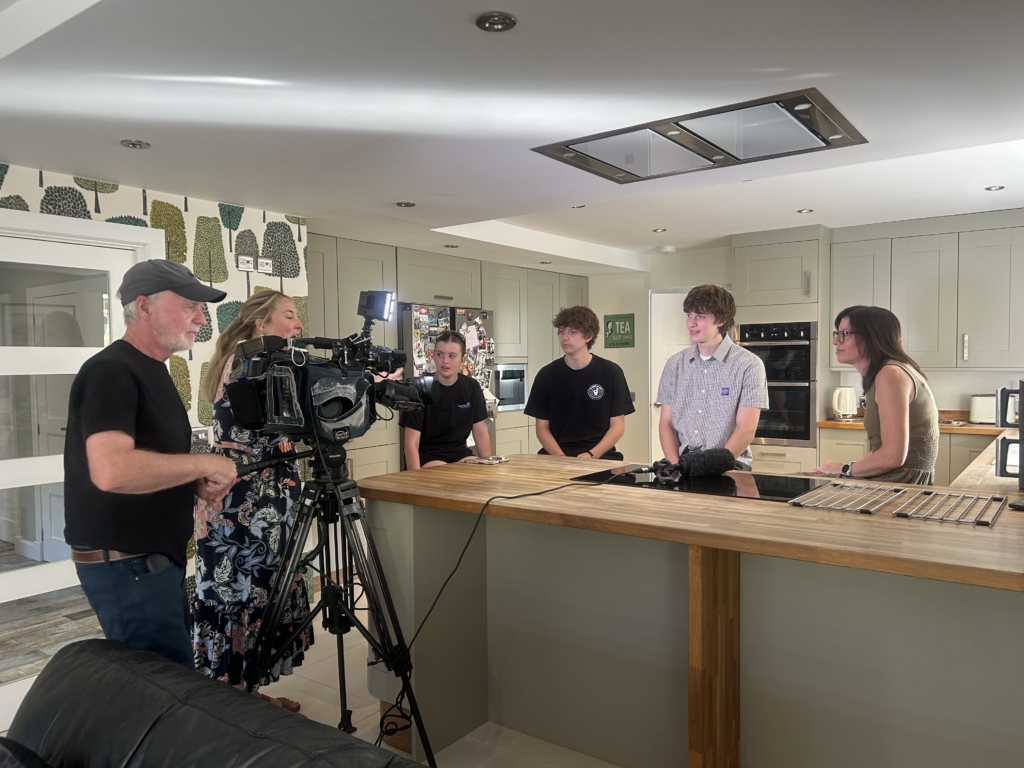
Another shift I’ve noticed is how students engage with results day itself. When I started, students were generally happy to open their results in front of cameras, photographers and journalists. Now, many prefer to find a quieter corner, open them privately and return when they’re ready to celebrate.
It’s understandable. Young people today are much more aware of where images and videos can end up and much more conscious of their digital footprint. This shift has changed our role, too. We’ve had to become far more responsible and rigorous in how we collect, manage, and share images. It is no longer just about getting the shot – it’s about ensuring that every student feels safe, protected, and in control of their digital identity.
As more schools offer students the option of accessing results through an app, it will be interesting to see whether future results days look different again. Will students still come into school for the shared experience, or will more choose to stay at home?
Whatever happens, it reminds us that audiences change and communications need to evolve alongside them. Respecting a student’s boundary is just as important as getting the photograph; trust must come before content.
From photos to video
The content schools create has changed too. A decade ago, results day communications were largely built around photography and local newspaper coverage. Today, video often takes centre stage.
Schools and trusts are experimenting with short-form content, student reactions and behind-the-scenes footage, looking for ways to connect with audiences who increasingly consume information through social media. The challenge isn’t necessarily creating more content. It’s creating content that feels authentic.
The most successful results day stories are rarely the most polished. They’re usually the ones that capture a genuine moment.

Some things never get easier
For all the changes, there are aspects of results day that remain exactly the same. Every year brings stories of students exceeding expectations, securing places on courses they’ve dreamed about for years and celebrating with friends, family and teachers.
But there are also difficult conversations. I’ve seen schools dealing with missing papers, unexpected results and students who have worked incredibly hard but haven’t achieved the outcomes they hoped for.
Results day can be emotional for everyone involved. Behind every envelope, email or app notification is a young person thinking about their future. That’s something it’s important never to lose sight of.
The rise and fall of the jumping photo
Not every change has been quite so profound. There was a time when no results day gallery was complete without a carefully coordinated jumping photo. For many years, they were everywhere. Today, they feel very much of their era.
Like most communications trends, they had their moment before being replaced by something that felt more natural and authentic. I suspect in another ten years we’ll be saying exactly the same thing about some of today’s trends too.
What ten years has taught me
Looking back, results day has taught me far more than how to write a press release under pressure. It’s taught me that people will always remember stories more than statistics. That flexibility matters more than perfection. That audiences change, and communicators need to change with them.
And perhaps most importantly, that behind every set of results is a young person with ambitions, hopes and plans for the future. That’s what makes results day special.
Ten years on, despite the early starts, changing deadlines and occasional curveballs, it’s still one of the most rewarding days in the education calendar, and I’m looking forward to seeing what the next ten years bring.